Skincare is more than just a routine; it is a celebration of identity, heritage, and the unique beauty of melanin-rich skin. Across the African continent, beauty practices have been deeply rooted in nature, drawing from the abundant resources of the land to nourish and protect the skin. From the shea butter of West Africa to the healing aloe vera found in Southern regions, these traditions offer timeless wisdom for maintaining radiant, healthy complexions.
For those with melanin-rich skin, understanding the specific needs of their complexion is essential. This skin type, often blessed with natural protection against the sun due to higher melanin content, still requires tailored care to address concerns like hyperpigmentation, dryness, or uneven tone. African style enthusiasts find that embracing natural ingredients and cultural practices not only enhances beauty but also connects them to ancestral roots, fostering a sense of pride and authenticity.
Exploring these natural skincare and beauty routines reveals a treasure trove of knowledge passed down through generations. This article delves into the best practices, ingredients, and rituals inspired by African heritage, ensuring that melanin-rich skin receives the care it deserves. Whether seeking to combat dryness or achieve a luminous glow, these insights offer a holistic approach to beauty that honors the richness of African culture.
- Melanin-rich skin benefits from hydration-focused routines using natural oils like shea butter and coconut oil.
- Exfoliation with gentle, natural scrubs helps address hyperpigmentation and uneven skin tone.
- Ingredients like turmeric and honey, often used in African beauty rituals, offer anti-inflammatory and brightening properties.
- Protection from environmental stressors, even with melanin's natural UV defense, remains crucial for skin health.
- Traditional African practices emphasize holistic care, combining diet, hydration, and natural remedies for glowing skin.
- Cultural rituals, such as using black soap, cleanse without stripping the skin of its natural oils.
- Consistency in skincare routines, paired with patience, yields long-term results for radiant complexions.
Understanding Melanin-Rich Skin and Its Unique Needs
Melanin-rich skin, predominant among individuals of African descent, is celebrated for its resilience and natural beauty. The higher concentration of melanin provides a degree of protection against harmful UV rays, reducing the risk of sunburn compared to lighter skin tones. However, this does not exempt it from requiring dedicated care. Common concerns include hyperpigmentation, where dark spots or patches may form due to sun exposure or scarring, and dryness, which can lead to an ashy appearance if not addressed. Fashion experts note that understanding these unique characteristics is the first step in crafting an effective skincare routine.
Another aspect to consider is the skin's tendency to produce more sebum in certain areas, leading to oiliness, particularly in the T-zone. Balancing hydration without clogging pores becomes a priority. African style enthusiasts find that incorporating lightweight, non-comedogenic products or natural alternatives helps manage this balance. Additionally, environmental factors like humidity or harsh weather, common in many African regions, can impact skin health, necessitating adaptive care routines that prioritize protection and nourishment.
Traditional African Ingredients for Natural Skincare
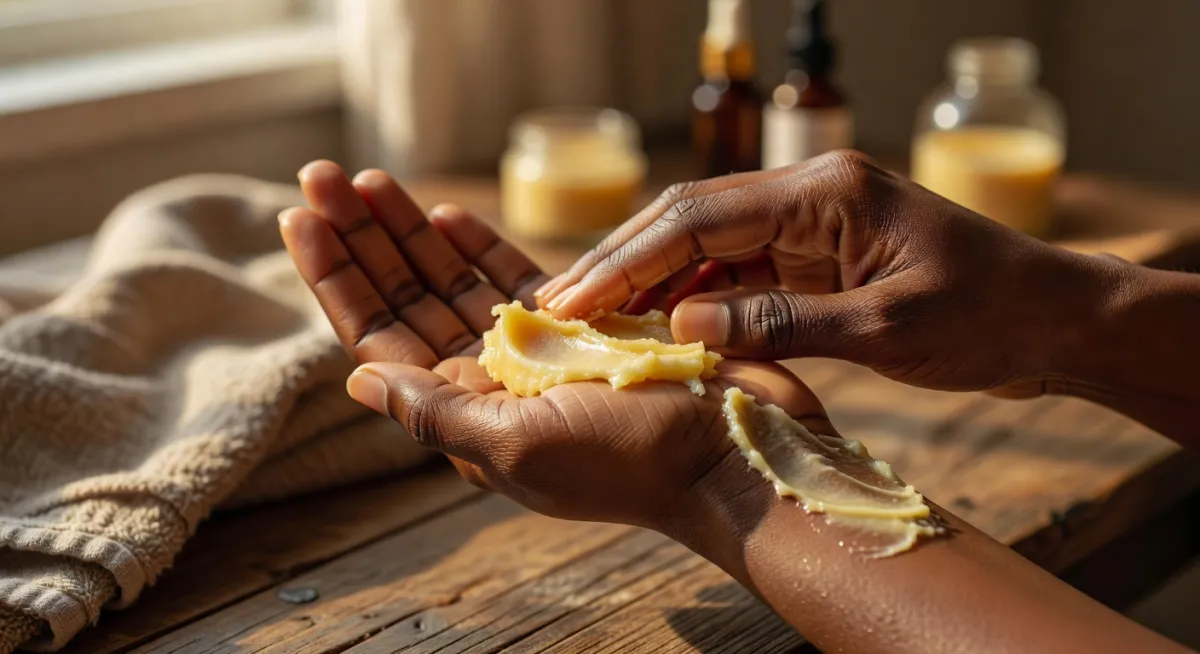
African beauty traditions are renowned for their reliance on nature's bounty, utilizing ingredients that have been cherished for generations. Shea butter, harvested from the nuts of the shea tree in West Africa, stands as a cornerstone of skincare. Rich in vitamins A and E, it deeply moisturizes and soothes irritated skin, making it ideal for combating dryness in melanin-rich complexions. Many African communities have long used shea butter not only for skin but also for hair, highlighting its versatility.
Another powerful ingredient is African black soap, crafted from plantain skins, cocoa pods, and palm oil. Known for its gentle cleansing properties, it effectively removes impurities without stripping the skin of natural oils, a concern for many with melanin-rich skin. Additionally, ingredients like baobab oil, extracted from the "tree of life," offer antioxidant benefits, while aloe vera, widely used across the continent, calms inflammation and hydrates. Designers recommend exploring local markets or trusted sources to find authentic versions of these ingredients, ensuring their potency and cultural significance are preserved.
Building a Natural Skincare Routine for Melanin-Rich Skin
Crafting a skincare routine for melanin-rich skin begins with a foundation of cleansing, moisturizing, and protecting. Start with a gentle cleanser, such as African black soap or a mild, sulfate-free option, to remove dirt and excess oil without disrupting the skin's barrier. Follow this with a toner, ideally one infused with natural ingredients like witch hazel or rose water, to soothe and prepare the skin for subsequent steps. African style enthusiasts find that this step helps minimize the appearance of pores, a common concern for oily areas.
Moisturizing is non-negotiable, as melanin-rich skin can often appear dull without adequate hydration. Opt for products or natural alternatives like shea butter or jojoba oil, which lock in moisture without a greasy finish. For those prone to hyperpigmentation, incorporating a brightening agent such as turmeric paste or a vitamin C-rich serum can help even out skin tone over time. Finally, even with melanin's inherent sun protection, applying a broad-spectrum sunscreen or wearing protective clothing during prolonged sun exposure is advised to prevent darkening or damage. Consistency in this routine, paired with patience, ensures lasting results.
Cultural Beauty Rituals to Enhance Melanin-Rich Skin
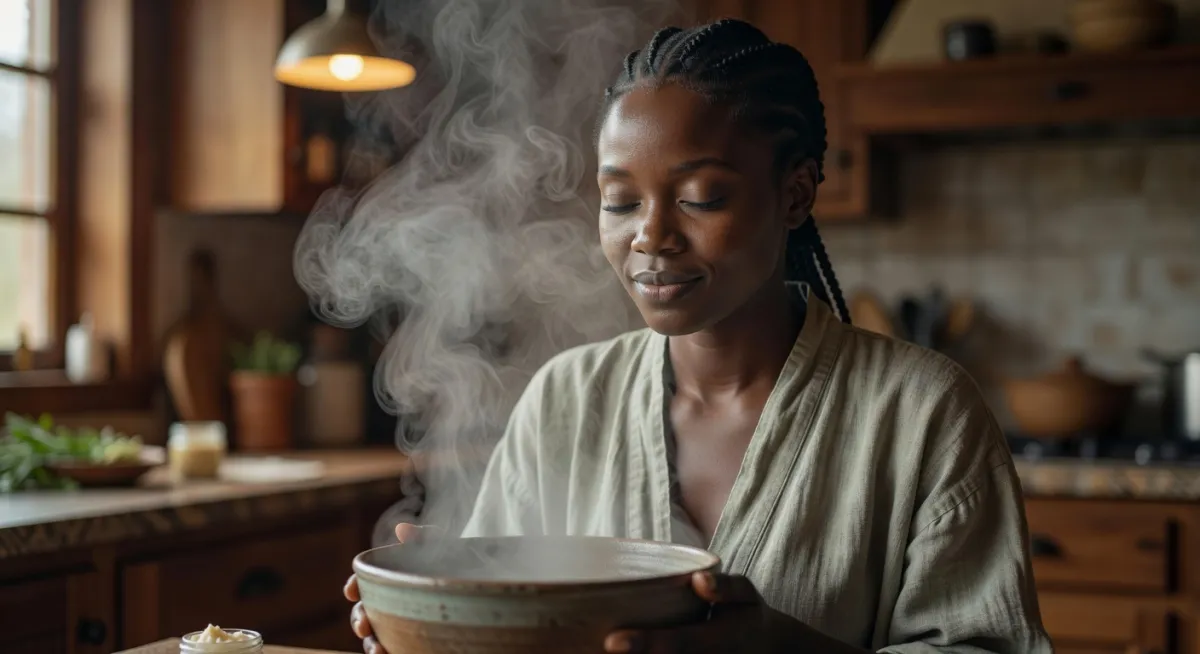
Beyond ingredients and routines, African beauty rituals offer a holistic approach to skincare that celebrates cultural heritage. In many West African communities, communal bathing with herbal infusions is a cherished practice, believed to cleanse both body and spirit while nourishing the skin. Herbs like moringa or neem are often steeped in water to create soothing baths that detoxify and rejuvenate. Fashion experts note that these rituals emphasize the connection between inner wellness and outer beauty, a principle deeply embedded in African traditions.
Another revered practice is the use of facial masks made from natural clays, such as those sourced from the earth in regions like Ghana or Morocco. These clays draw out impurities and leave the skin feeling refreshed and smooth. Additionally, the application of kohl or natural pigments around the eyes, a tradition in North African cultures, not only enhances beauty but also protects against harsh sunlight. Embracing these rituals allows individuals to honor their ancestry while caring for their skin in a meaningful way. For more insights into African beauty and grooming practices, explore the Beauty & Grooming section of the website.
Diet and Lifestyle Tips for Radiant Melanin-Rich Skin
Skincare is not solely about external products; internal health plays a significant role in achieving a glowing complexion. A diet rich in antioxidants, vitamins, and hydration supports melanin-rich skin by combating oxidative stress and promoting cell turnover. Foods like leafy greens, avocados, and nuts, commonly found in African cuisines, provide essential nutrients such as vitamin E and omega-3 fatty acids. Drinking ample water, alongside traditional beverages like hibiscus tea, known for its skin-brightening properties, ensures hydration from within.
Lifestyle choices, such as managing stress through mindfulness or physical activity, also impact skin health. African style enthusiasts find that engaging in cultural dances or communal activities not only uplifts the spirit but also improves circulation, contributing to a natural glow. Adequate sleep allows the skin to repair itself, while avoiding smoking or excessive alcohol consumption prevents premature aging. For further inspiration on holistic living rooted in African traditions, visit the Lifestyle category for articles on wellness and cultural practices. For authoritative guidance, refer to the NPS and NPS websites.
Frequently Asked Questions
What makes melanin-rich skin different from other skin types?
Melanin-rich skin contains a higher concentration of melanin, the pigment responsible for its darker tone, which offers natural protection against UV radiation. This can reduce the likelihood of sunburn but does not eliminate the need for sun protection. It is also more prone to issues like hyperpigmentation, where dark spots form due to injury or sun exposure. Dryness can be a concern, often resulting in an ashy appearance if not moisturized properly. Understanding these traits helps in selecting products and routines that cater specifically to its needs. Fashion experts note that tailored care enhances the skin's natural beauty while addressing unique challenges.
Can natural ingredients fully replace commercial skincare products?
Natural ingredients, such as shea butter or aloe vera, can be highly effective and often serve as excellent alternatives to commercial products for melanin-rich skin. They are less likely to contain harsh chemicals that may irritate or strip the skin of its natural oils. However, some skin concerns, like severe acne or persistent hyperpigmentation, might require specialized treatments or dermatological advice. African style enthusiasts find that a hybrid approach, combining natural remedies with targeted commercial products, often yields the best results. It's important to test ingredients for allergies and consult professionals for persistent issues. Authenticity in sourcing natural products also ensures their efficacy and cultural value.
How often should melanin-rich skin be exfoliated?
Exfoliation for melanin-rich skin should typically be done once or twice a week, depending on the skin's sensitivity and texture. Over-exfoliating can lead to irritation or exacerbate hyperpigmentation, as the skin may respond by producing more melanin in affected areas. Gentle scrubs made from natural ingredients like ground oatmeal or sugar mixed with honey are recommended. Designers suggest observing how the skin reacts and adjusting frequency accordingly. Consistency with a mild approach prevents damage while promoting a smoother, brighter complexion. Always follow exfoliation with a hydrating moisturizer to lock in moisture.
Why is sunscreen important for melanin-rich skin?
While melanin offers some natural UV protection, it does not fully shield the skin from sun damage, which can lead to hyperpigmentation or premature aging. Sunscreen helps prevent darkening of existing spots and protects against harmful rays that penetrate deeper layers. It's especially crucial in tropical climates where sun exposure is frequent and intense. Fashion experts note that using a broad-spectrum sunscreen with at least SPF 30 is advisable for daily wear. Incorporating this step into a routine, even on cloudy days, preserves the skin's even tone. Protective clothing and hats, inspired by African fashion, also complement this practice.
Where can one learn more about African beauty traditions?
Learning about African beauty traditions can be achieved through cultural literature, community elders, and reputable online platforms dedicated to African heritage. Websites like Vogue and Essence often feature articles on global beauty practices with an African focus. Local markets and festivals across the continent provide firsthand exposure to traditional ingredients and methods. African style enthusiasts find that engaging with diaspora communities or cultural organizations offers valuable insights. Exploring family recipes for skincare remedies also connects individuals to their roots. These resources collectively deepen appreciation for the diversity of African beauty practices.
Final Thoughts
Caring for melanin-rich skin through natural skincare and beauty routines is a powerful way to honor African heritage while embracing individuality. The fusion of traditional ingredients, cultural rituals, and mindful lifestyle choices creates a holistic approach that nurtures both body and soul. By prioritizing hydration, protection, and gentle care, anyone can achieve a radiant complexion that reflects the vibrancy of African identity. As a actionable step, start by incorporating one natural ingredient, such as shea butter, into a daily routine and observe the transformation over time.