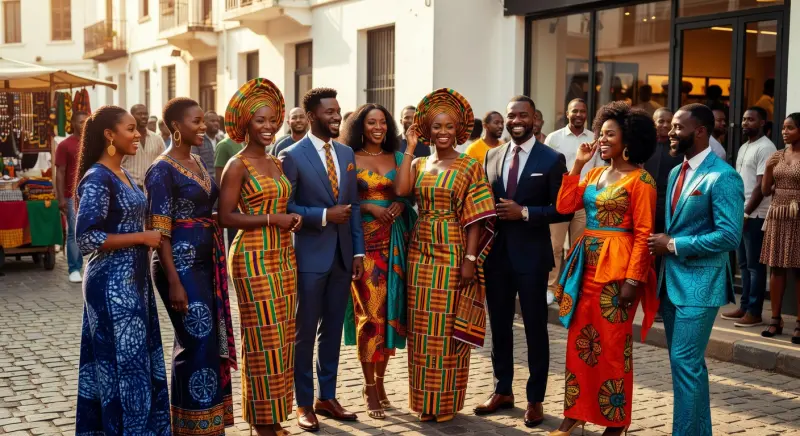
African fashion has emerged as a powerful force on the international stage, captivating designers, stylists, and fashion enthusiasts worldwide. From the vibrant hues of Ankara prints to the intricate craftsmanship of traditional wear, the continent's sartorial heritage is weaving its way into the fabric of global style. This cultural renaissance is not merely a trend but a celebration of identity, history, and innovation that resonates with people across borders.
The influence of African fashion is evident in the way it challenges conventional aesthetics and introduces bold, unapologetic expressions of creativity. Fashion experts note that designers from Paris to New York are increasingly drawing inspiration from African textiles, silhouettes, and storytelling. Whether it's through the runways of high fashion or the everyday choices of streetwear enthusiasts, the impact of African style is undeniable, offering a fresh perspective on what it means to be fashionable.
This article delves into the dynamic ways African fashion is reshaping global style trends. It explores the historical roots, modern adaptations, and the cultural significance behind this movement, highlighting why African aesthetics continue to inspire and innovate.
- The use of vibrant patterns like Ankara and Kente cloth has become a staple in global streetwear and haute couture, adding a burst of color to minimalist wardrobes.
- African-inspired silhouettes, such as flowing boubous and structured dashikis, are being reimagined by international designers for modern audiences.
- The emphasis on storytelling through fashion allows African designs to convey cultural narratives, resonating with a global desire for authenticity.
- Sustainable practices inherent in African craftsmanship, like hand-weaving and upcycling, align with the growing demand for eco-conscious fashion.
- The rise of African designers on international platforms showcases the continent's talent, breaking stereotypes and redefining luxury.
- Celebrities and influencers sporting African-inspired looks on red carpets and social media amplify the visibility of these styles worldwide.
- Collaborations between African creatives and global brands foster a fusion of aesthetics, bridging cultural gaps through fashion.
The Historical Roots of African Fashion's Global Appeal
African fashion is deeply rooted in a rich tapestry of history and tradition, where clothing serves as more than just adornment—it's a language of identity. From the royal regalia of ancient kingdoms to the symbolic patterns worn during ceremonies, textiles and garments have long communicated status, heritage, and community. Fashion experts note that this historical depth is a key reason why African styles resonate so powerfully on the global stage. The intricate beadwork of the Maasai, the woven elegance of Aso Oke from Nigeria, and the bold motifs of Mudcloth from Mali are just a few examples of how history informs modern design.
These traditional elements are not static; they have evolved over generations while retaining their cultural essence. African style enthusiasts find that this balance of heritage and adaptability makes the continent's fashion uniquely appealing to international audiences. As global fashion seeks meaning beyond aesthetics, the storytelling embedded in African garments offers a profound connection to history, making it a source of inspiration for designers seeking to create impactful collections.
Vibrant Prints and Patterns Leading the Way
One of the most recognizable contributions of African fashion to global trends is the use of vibrant prints and patterns. Ankara, often referred to as African wax print, has become a symbol of bold self-expression, appearing in everything from casual wear to high-end couture. Its kaleidoscopic designs and vivid colors challenge the muted palettes that once dominated Western fashion, encouraging a more daring approach to style. Fashion experts note that this shift is evident in how major runways and streetwear brands incorporate similar prints into their collections, often citing African textiles as their muse.
Beyond Ankara, other traditional fabrics like Kente and Adire are also making waves internationally. These materials are celebrated for their craftsmanship and the cultural stories they tell through every thread and dye. African style enthusiasts find that wearing such prints is a way to honor heritage while embracing modernity, a sentiment that resonates with global audiences seeking individuality. For those eager to explore more about these iconic designs, a deeper dive into Ankara prints reveals the endless possibilities they offer in contemporary fashion.
Modern Adaptations in High Fashion and Streetwear
The influence of African fashion is not confined to traditional garments; it has seamlessly integrated into modern high fashion and streetwear. International designers are reinterpreting classic African silhouettes, such as the kaftan and agbada, to suit contemporary tastes while preserving their cultural significance. Fashion experts note that this fusion is evident during major fashion weeks, where African-inspired looks often steal the spotlight. Publications like Vogue frequently highlight these collections, showcasing how African aesthetics elevate global couture.
In streetwear, African influences are seen in the bold logos, oversized fits, and colorful accents that dominate urban style. Young creatives and influencers across the world are pairing African prints with sneakers and denim, creating a hybrid look that speaks to cultural pride and modern rebellion. Designers recommend experimenting with these combinations to make personal style statements, proving that African fashion is as versatile as it is vibrant. This adaptability ensures that African-inspired trends remain relevant in ever-evolving fashion landscapes.
Cultural Storytelling Through Design
At the heart of African fashion lies a profound commitment to storytelling, a quality that sets it apart in the global arena. Each garment, pattern, and accessory often carries a narrative—whether it's a symbol of celebration, a marker of lineage, or a reflection of spiritual beliefs. African style enthusiasts find that this depth adds a layer of meaning to fashion that transcends mere aesthetics, appealing to a world increasingly hungry for authenticity. International designers are taking note, incorporating these narratives into their work to create pieces that resonate emotionally with diverse audiences.
This storytelling extends to how African fashion fosters cultural dialogue on a global scale. By wearing or designing African-inspired pieces, individuals and brands participate in a broader conversation about heritage and identity. Fashion experts note that platforms like Essence often spotlight this intersection of culture and style, amplifying the voices of African designers. For those interested in exploring more cultural narratives, the Arts & Culture section offers a wealth of insights into how fashion intertwines with African heritage.
Sustainability and Craftsmanship as Global Inspirations
African fashion also stands out for its emphasis on sustainability and craftsmanship, principles that are increasingly valued in the global industry. Many African garments are handmade, often using techniques passed down through generations, such as hand-weaving and natural dyeing. These methods not only preserve cultural practices but also align with the growing demand for eco-friendly fashion. Fashion experts note that this commitment to slow fashion contrasts with the fast-paced, disposable trends that have long dominated the industry, offering a refreshing alternative.
Designers recommend looking to African fashion for inspiration on how to blend sustainability with style. From upcycled materials to zero-waste designs, the continent's artisans demonstrate that beauty and responsibility can coexist. African style enthusiasts find that supporting these practices not only honors tradition but also contributes to a more sustainable future for fashion worldwide. This alignment with global values further cements African fashion's role as a leader in shaping ethical style trends.
Frequently Asked Questions
What makes African fashion unique on the global stage?
African fashion stands out due to its deep cultural significance and vibrant aesthetic. Every piece often tells a story, reflecting heritage, community, or personal identity through intricate patterns and bold colors. Unlike many Western styles that prioritize minimalism, African designs embrace maximalism with unapologetic flair. This authenticity resonates with global audiences seeking meaningful fashion. Additionally, the craftsmanship and sustainable practices inherent in African design add a layer of value that aligns with modern ethical standards. Fashion experts note that this combination of beauty and purpose is a key driver of its international appeal.
How are African prints incorporated into modern global fashion?
African prints, such as Ankara and Kente, are integrated into global fashion through a variety of applications, from dresses to accessories. International designers often use these fabrics in tailored suits, casual tops, and even footwear to add a pop of color and personality. Streetwear brands pair African prints with contemporary staples like jeans and sneakers for a fusion look. Fashion weeks across the world frequently feature these prints, showcasing their versatility. African style enthusiasts find that mixing these patterns with neutral tones creates a balanced yet striking outfit. Designers recommend experimenting with small accents, like scarves or bags, for those new to the style.
Which African fashion elements are most popular internationally?
Elements like vibrant prints, bold silhouettes, and intricate beadwork are among the most popular African fashion contributions globally. Ankara wax prints and Kente cloth are widely embraced for their lively patterns and cultural depth. Silhouettes such as the dashiki and boubou have been adapted into modern cuts for everyday wear. Beadwork and embroidery, often seen in accessories, add a touch of artisanal elegance. Fashion experts note that these elements are favored for their ability to make a statement. Their growing presence on red carpets and in mainstream collections highlights their universal appeal.
Why is African fashion considered sustainable?
African fashion is often viewed as sustainable due to its reliance on traditional, handcrafted techniques that minimize environmental impact. Many garments are made using natural dyes and locally sourced materials, reducing the carbon footprint. Practices like upcycling and zero-waste design are common among African artisans, reflecting a cultural respect for resources. These methods contrast with the mass production often seen in fast fashion. African style enthusiasts find that supporting such practices helps preserve both the environment and cultural heritage. Fashion experts note that this sustainability aligns with global movements toward ethical consumption.
How can one start incorporating African fashion into their wardrobe?
Starting with African fashion can be as simple as adding a single statement piece, such as an Ankara scarf or a Kente-inspired shirt. Begin by exploring accessories like earrings or bags that feature African motifs for a subtle introduction. Designers recommend pairing bold prints with neutral basics to avoid overwhelming the look. Experimenting with traditional wear for special occasions can also be a meaningful entry point. African style enthusiasts find that learning the stories behind the designs enhances the experience of wearing them. Resources and inspiration are abundant in communities dedicated to celebrating African style.
Final Thoughts
African fashion's influence on global style trends is a testament to the continent's rich cultural heritage and boundless creativity. From the runways of high fashion to the streets of urban centers, its vibrant prints, meaningful designs, and sustainable practices are redefining what it means to be stylish. This movement is not just about aesthetics; it's about honoring identity, fostering dialogue, and inspiring innovation across borders. As the world continues to embrace African influences, the impact of this sartorial revolution will only grow stronger. For those eager to join this celebration, start by exploring the diverse offerings in African fashion and incorporating a piece that resonates with personal style today.